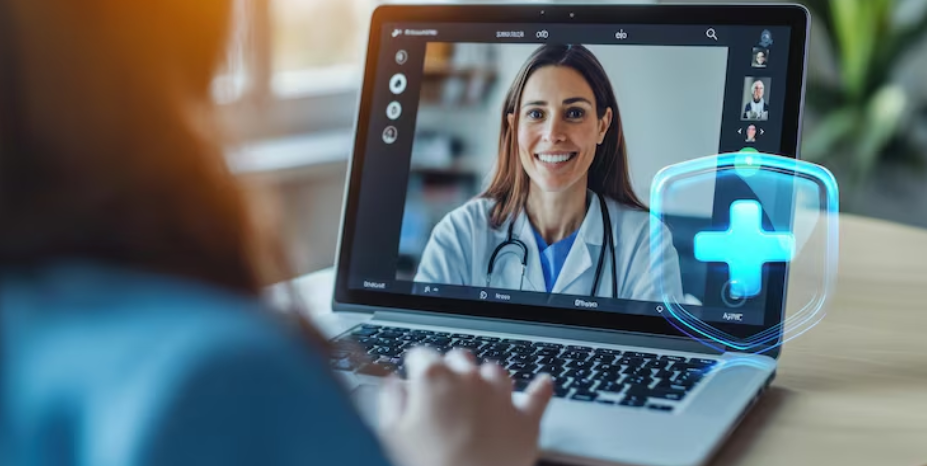
How Mobile Imaging Services Bring Diagnostic Care Closer to You
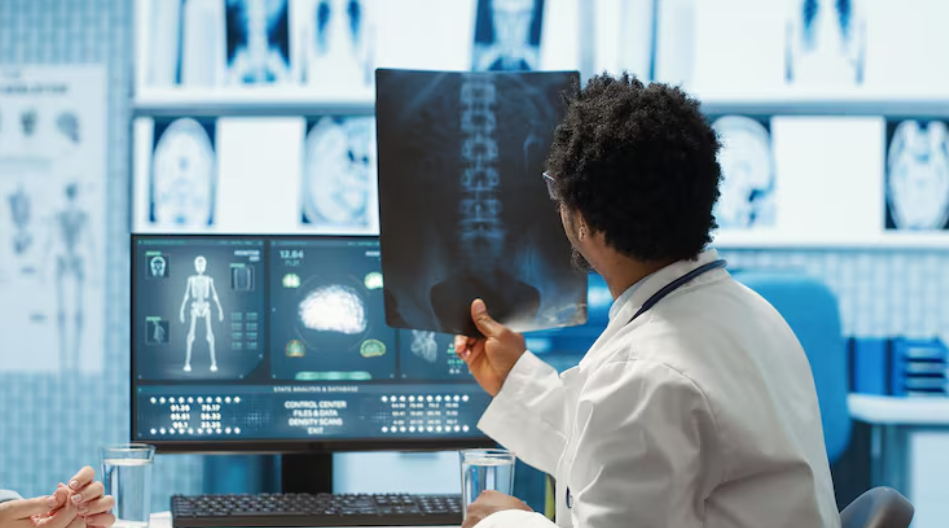
Access to diagnostic care is an important part of maintaining good health. Medical imaging helps healthcare professionals understand what is happening inside the body and supports the diagnosis of many conditions. However, traveling to a hospital or imaging center can sometimes be difficult, especially for older adults, people with limited mobility, or patients recovering at home. A mobile imaging service offers a practical way to bring certain diagnostic imaging options closer to patients.
What Is a Mobile Imaging Service?
A mobile imaging service provides diagnostic imaging at locations outside a traditional hospital or imaging center. Depending on the provider and available technology, imaging equipment may be brought to nursing facilities, medical offices, rehabilitation centers, workplaces, or other suitable locations.
The goal of a mobile imaging service is to make diagnostic care more convenient while allowing healthcare professionals to access useful medical images without requiring every patient to travel to a separate facility. The exact imaging options available can vary based on the provider, equipment, and patient needs.
Making Diagnostic Care More Convenient
One of the main benefits of a mobile imaging service is convenience. Traveling to an imaging center may require transportation, time away from work, or assistance from a family member or caregiver. For some patients, these requirements can make an otherwise necessary examination more difficult.
With mobile imaging, the service can come to an appropriate location where the patient is already receiving care. This can reduce unnecessary travel and make the overall diagnostic process easier to manage. It can also be helpful for facilities that need imaging support for several patients.
Supporting Patients With Limited Mobility
Patients with limited mobility may face additional challenges when they need diagnostic imaging. Moving from one location to another can require careful planning and assistance. In some situations, transportation may also be uncomfortable or difficult.
A mobile imaging service can help reduce some of these challenges by bringing imaging equipment directly to the patient’s location when the required technology and setting are suitable. This approach may provide greater comfort and convenience for patients while also helping caregivers manage appointments more efficiently.
Helping Healthcare Facilities Improve Patient Care
Mobile imaging can also support doctors, clinics, nursing facilities, and other healthcare organizations. Having access to imaging services at the facility can make it easier to arrange examinations when they are needed.
A mobile imaging service can become part of a broader healthcare workflow, allowing medical teams to coordinate imaging with other aspects of patient care. When imaging is performed at the patient’s location, healthcare staff may have an easier time organizing transportation and scheduling.
Technology Behind Mobile Imaging
Modern medical imaging equipment is designed to provide useful diagnostic information while meeting professional safety and quality requirements. Mobile systems can be transported to different locations, depending on their size, purpose, and technical requirements.
The imaging process still needs to follow appropriate procedures, including patient identification, equipment preparation, image quality checks, and proper handling of medical information. A professional mobile imaging service works with healthcare teams to ensure that the process fits the patient’s needs and the location where the examination takes place.
Choosing the Right Mobile Imaging Service
When considering a mobile imaging service, patients and healthcare providers should look at the types of imaging offered, the qualifications of the professionals, equipment standards, scheduling options, and the locations served. It is also important to understand whether the service is appropriate for the specific examination requested by a healthcare professional.
Clear communication between the patient, healthcare provider, and imaging team can help ensure that the examination is properly planned.
Conclusion
A mobile imaging service can make diagnostic care more accessible and convenient by bringing certain imaging services directly to suitable patient locations. It can reduce travel challenges, support people with limited mobility, and help healthcare facilities coordinate diagnostic examinations more efficiently. As healthcare continues to focus on convenient and patient-centered care, mobile imaging can provide a valuable option for bringing essential diagnostic services closer to the people who need them.