What is Customer Engagement – Guide
What is Customer Engagement?
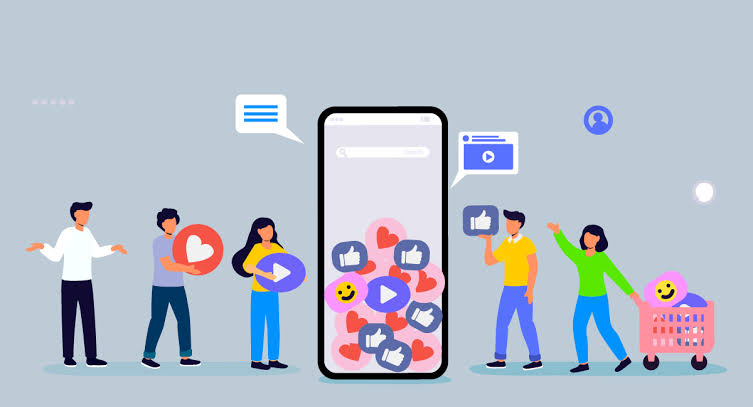
Customer engagement is the strength of the brand’s relationship with its customers across the entire life cycle of a product, including through the website, social media, and other channels. Consistent communication with the buyers across various channels to reinforce human-to-human connection and add value to the customer-buyer relationship is the solution.
We have moved from brick-and-mortar stores to online e-commerce websites; however, there’s one thing that has not changed- the belief in the mantra that the customer is always right and the king. The big things that offer commerce are showing us that metrics play an important role and should be monitored and measured to secure high returns and customer loyalty.
Interactions, services, support, and sales are not the only things to which the definition can apply. A foolproof customer engagement plan involves the ongoing and consistent habit of corporate anticipating buyers’ needs. Keeping in touch with customers fosters healthy relationships, thereby resulting in business growth.
Its tools are actively used by brands to educate, motivate, encourage, and persuade customers. A successful strategy attracts a buyer to follow the purchase process.
What is a Customer Engagement Cycle?
The customer engagement process varies with respect to specific industries. The overall stages in the customer engagement cycle are, however, similar and can be described as follows:
Keeping Aware of Stages and product/service Descriptions
Buyers have to be made aware of your product or service by some means. It is necessary to promote your product/service to the public in some way. First product impression is crucial in the Customer Engagement lifecycle. This is where you think of initiatives to engage your customers and present your product to them, and convince them to be actively involved. Product description should reflect the buyers’ issues and needs.
Customer Product Consideration
Customers, in stage two, then hunt for crucial information regarding the product. Not only do they conduct correct research, but they likewise contrast 2 or more competitors and even offers. Creating a value proposition for your product is important as it gives confidence to the buyers to select your product amongst all.
Making a Purchase
People buy what’s convenient for them. But it’s difficult for brands to see their customers make it to the bottom of the sales funnel. When it comes to that, it’s easy to be flexible. Create the most seamless purchase experience possible for customers.
Customer Service
Feedback from customers is always provided regardless of how it may impact the brand. Once they have bought the product, they are expecting good customer service(2) if they have any problems with the product. Thus, there has to be someone available to listen to complaints, issues, queries, and questions.
Customer Loyalty
Customers are happy to give it reviews and valuable feedback for good products and service. But it’s essential to create loyal customers by providing them with discounts in the form of incentives.
Referrals
Good brands remain with the customers in their inner conscience. If consumers have enjoyed a good experience with a brand, they will tell others about it. You should encourage and encourage them to share positive things about your business. Although this occurs in the customer engagement cycle, it is referred to as referral marketing. People use a variety of customer engagement channels to promote your brand while not knowing they are in the loop.
Importance of Customer Engagement
So why is it so crucial to engage customers? First, it helps to boost profit by 23%. The methods it employs establish an emotional and unbreakable link between a brand and a buyer. Highly-engaged buyers purchase more, promote more, and are more loyal.
If you don’t have a customer engagement strategy, you might miss out on engaging with potential consumers. There’s no one-size-fits-all strategy that works for every industry. But with clarity, customer support, service, brand quality, and ensuring the brand is in the middle of the customer’s engagement activities, it can be able to improve brand recognition.
It’s important to realize there are numerous successful customer engagement examples. Wait till it is a part of a separate section, as we will have one for that.
What are the Types of Customer Engagement?
Today, with new customer engagement technologies, there are endless possibilities for marketers to track, forecast, and enhance engagement. There are 4 main types:
Active Engagement
Active engagement involves engaging with customers via traditional channels, mobile devices, and social media platforms. The customers give the brands tremendous feedback, and the brands respond appropriately to boost brand visibility. You’re providing your service and product to customers maximally. Can provide good ideas and recommendations to the producer for enhancing the product.
Active engagement should be increased by understanding the whole customer engagement cycle and access to technology. Use the right technology to participate in group conversations, forums, peer-to-peer communities, and private conversations. Other than that, ensure that the process that you follow is reliable, flexible, and acceptable to all customers, and persuade employees to be effective with customer relationships.
Emotional Engagement
When the customer owns a product related to the brand, he/she has to build feelings that need to be addressed to make it a success. It’s very challenging to measure emotions. Highly engaged customers are “attached” to the company. They gripe less and look up to more. For loyal consumers, the love for a brand extends to online platforms, with some even defending it on social media.
Rational Engagement
Rational engagement involves customers who want to acquire full knowledge of a product or a service. Customers who know everything about your product, including the description, quality, quantity, details, and the brand’s values, are more likely to engage with you on public platforms.
Ethical Engagement
Ethical engagement is not just a brand-centric, materialistic one. All businesses have an ethics policy or a framework to work with customers, suppliers, employees, and business partners. Ethical engagement is sensitive, and one can’t boast about the brand values on social media. It is necessary to reflect their values to be able to understand the manufacturing processes by the customer. CRM leaders play a great role in increasing ethical customer engagement.
What are Some of the Benefits of Customer Engagement?
Brands providing excellence have the most engaged customers. It’s not a technique that’s learned with experience. Engaged customers are increased by the quality, values, and online presence of your product. With the use of a customer engagement strategy, you can expect to gain the following advantages:
Customer Retention
If you have customers who are returning to your business to purchase additional items, it is a positive indicator. It means that your customers are satisfied with your product or service. Customers are not likely to switch email providers. Every aspect of the product you are selling is important to the customer. This is why they are requesting more! Despite changing the features, previous customers tend to re-buy the product(3).
Increased Efforts From the Customers
Customers are on a constant hunt to buy the lowest-priced product. But if you engage with customers rightly, they will go out of their way and buy from you, as you have invested in them emotionally.
A Great Number of Referrals
They will talk about it if they enjoy it. Referral marketing is something that the brand does not control. But customer engagement can earn you a lot of referrals. If a customer liked the product/service, most recommend it. There’s nothing like word of mouth and a genuine peer referral. Speaking frankly, it’s free marketing.
Increased Brand Recognition
You’ve captivated many customers through your values, the quality of your product, and your attention. You’re not a service provider anymore. Customer engagement helps to foster emotional connections between customers and gives them custom experiences.
Strategies to Enhance Customer Interaction
The better the engagement, the happier your customers will be. Having a good strategy in place to build healthy customer relationships is essential to impact your KPIs positively. The following are some of the strategies that can be used to improve customer engagement:
Give Relevant Information to Your Customers
Know what your customers have problems with, what they need/require, and what they need. In any niche, there is something that your product can do for someone. Create content that is interesting and relevant to them that covers their problems and the benefits of the solution you are offering. Maintain two-way communication with your customers through user manuals, guides, training, articles, and videos.
Develop a Platform for Your Clients to Connect With You Online
Problems are shared and discussed, fostering a sense of belonging in the audience. Establish a social media group where your customers can readily address troubles. In all honesty, be more active, more attentive.
Celebrate the audience and employees using the customer engagement platform. Include information, updates, and changes about your product in your posts, but share your organization’s milestones in separate posts.
Reward Customer Engagement
If you want your customers to be loyal, step up your game. You can boost it by implementing a reward program. They can be incentives for customers in the form of discounts, or they can be sponsorship of fun trips.
If You Want Some Inspiration for Successful Customer Engagement, Here are a Few Ideas
These are some organizations that learned all the best ways to engage customers:
Duolingo
When using Duolingo, a notorious language-learning app, the user sets up a personalized profile from the second they sign up until their last lecture. The user has to answer numerous questions while creating a profile. You may think that it’s jumping this way and that way on the app, but it’s a form of engagement.
Casper
But a bed company named Casper has come up with an idea to keep potential leads entertained — it’s a mattress-producing company with a free chatbot for insomniacs. This might sound like a crazy notion, but this bot was able to secure $100 million in sales within hours of it going live.
Polaroid Originals
Polaroid Originals is based on the concept of reward engagement and gives rewards to its clients each time a re-purchase is made. Every time a client “likes” its Facebook page or every time he responds to a tweet on Twitter, he will be rewarded for his purchases in the future.
Netflix
Netflix is all about using its platform in full capacity to interact with the customers. Every time a user rates or provides a negative review for the movie or the show, the platform gathers information about the user’s taste and suggests movies and shows as per the user’s preferences.
The Best Customer Engagement Software of 2021
These customer engagement platforms have managed to be on our list, and here are some reasons for that:
Zendesk
Zendesk can communicate with several customers via social media, phone calls, SMS, email, and more. The software is easily scalable, implementable, and user-friendly. Communication management, churn management analytics, content syndication, and community management are some of the best features of Zendesk.
LiveChat
LiveChat is among the fastest methods of boosting client engagement since you can address queries and issues immediately. This software is quicker than a telephone call.
ChurnZero
ChurnZero’s best features include next-generation communication, gamification, customer segmentation, customer health scores, and managing real-time alerts. This software can be easily integrated with third-party platforms. It also provides a few automation capabilities for customer engagement and marketing.
Final Thoughts
Customer engagement is always changing. It is not bound by a specific “roadmap” that you have to follow and stick to; it is also not tied to a checklist that you can follow and apply to close clients. The secret to engaging customers is to learn what works and what doesn’t for your business and for your customers.