The Role of Police Education in Strengthening Community and Police Relations
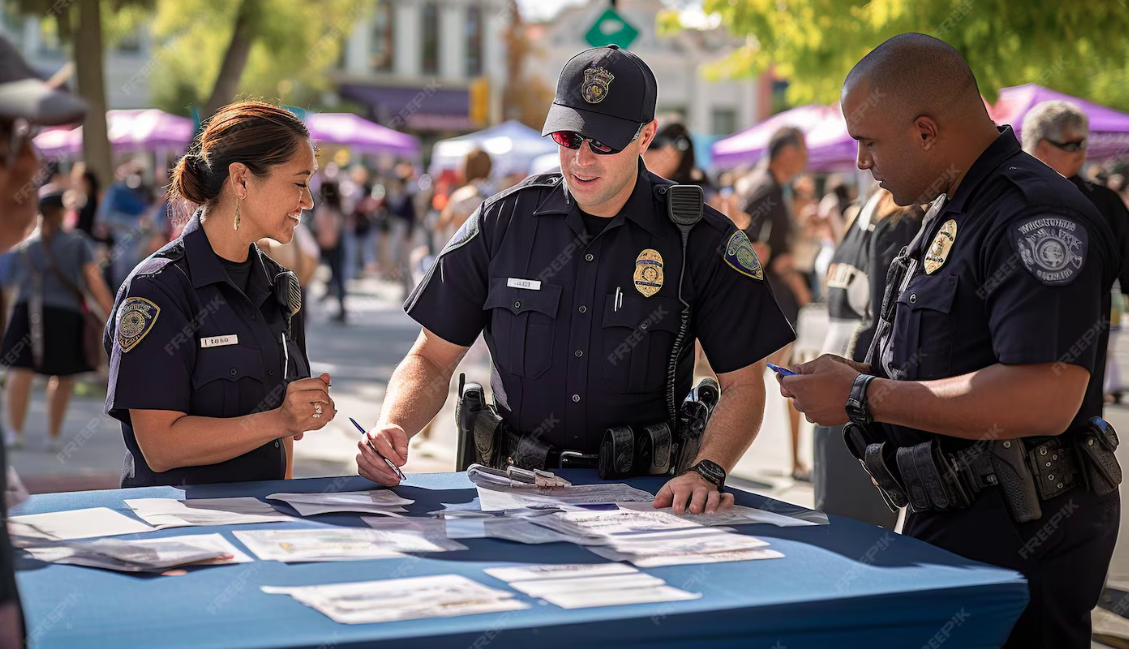
The foundation of a safe and orderly society lies in the mutual trust between law enforcement agencies and the citizens they serve. In recent years, the evolution of law enforcement has highlighted that tactical proficiency alone is insufficient for modern governance.
A robust police education serves as the primary catalyst for shifting the organizational culture from a traditional warrior mindset to a guardian-oriented approach.
By integrating social sciences, legal theory, and communication studies into training, officers are better equipped to understand the diverse backgrounds of their communities.
This academic depth ensures that every interaction is grounded in respect and professional intelligence, ultimately bridging the gap between the state and the public.
Fostering Empathy Through Sociological Understanding
An officer with a strong academic background is more likely to recognize the underlying social and economic factors that influence human behavior.
Through a comprehensive police education, law enforcement professionals gain exposure to the history of civil rights and the systemic challenges faced by various community groups. This knowledge allows officers to approach their duties with a sense of empathy rather than suspicion.
When a community feels that its local officers understand its specific culture and struggles, the level of cooperation during investigations increases, leading to a more effective and harmonious relationship.
Improving Public Safety Through Effective De-escalation
The ability to resolve a conflict without the use of force is one of the most significant benefits of advanced academic training. A rigorous police education curriculum emphasizes the psychological aspects of crisis management and verbal communication techniques.
Officers who are well-versed in these strategies can remain calm in high-pressure situations, preventing minor misunderstandings from escalating into violent encounters.
By prioritizing non-violent resolutions, law enforcement agencies demonstrate a commitment to preserving life and maintaining public peace, which is essential for earning the long-term respect and confidence of the community.
Building Legitimacy Through Ethical Decision Making
Public trust is fragile and depends heavily on the perceived integrity of individual officers and the department as a whole. A structured police education instills a firm ethical framework that guides officers when they face difficult moral dilemmas on the street.
Understanding the philosophical roots of justice and the importance of constitutional protections ensures that officers act as impartial defenders of the law.
When the public witnesses a consistent adherence to ethical standards, the legitimacy of the police force is reinforced, making citizens more likely to support and collaborate with law enforcement initiatives.
Enhancing Transparency and Professional Accountability
Academic training often leads to a more transparent and accountable style of management within law enforcement agencies. Officers who have engaged in higher learning are typically more receptive to data-driven policing and the use of modern technology to track performance and conduct.
This commitment to professional growth encourages a culture where errors are analyzed and corrected rather than hidden.
By being open about their procedures and performance metrics, police departments can prove to the community that they are dedicated to continuous improvement and high standards of service.
Developing Collaborative Community Partnerships
Modern policing is most effective when it is a shared responsibility between the authorities and the residents. Officers who possess a higher level of education are often more skilled at developing and maintaining partnerships with local organizations, schools, and business leaders.
These collaborative efforts focus on proactive problem-solving rather than reactive enforcement. By working together to identify and address the root causes of crime, the police and the community become allies in the pursuit of safety, creating a unified front against disorder and improving the overall quality of life.