A Beginner’s Guide to Embarking on Your First Outdoor Adventure
Venturing into the great outdoors for the first time is a thrilling endeavor that promises to rejuvenate your spirit and challenge your perspectives.
Whether you are seeking the tranquility of a dense forest or the excitement of rugged landscapes, outdoor travel offers a necessary escape from the relentless pace of modern life.
However, transitioning from indoor comfort to an outdoor setting requires thoughtful preparation, respect for nature, and a willingness to learn. By focusing on fundamental skills and proper planning, you can ensure your initial forays into the wild are safe, sustainable, and deeply rewarding.
Selecting Comfortable and Safe Outdoor Lodging
A successful trip starts with choosing the right type of lodging to suit your experience level. If you are new to outdoor travel, you might find that glamping sites or well-equipped campgrounds provide a comfortable transition from traditional hotels.
These options often offer amenities like established fire pits, clean water access, and sturdy structures that protect you from the elements while still keeping you immersed in nature.
When evaluating your options, prioritize sites that are near your planned activities and have positive reviews regarding safety and accessibility. A well-selected base of operations allows you to rest properly after a day of exploration, which is crucial for maintaining your energy levels.
Mastering the Basics of ATV Trail Riding
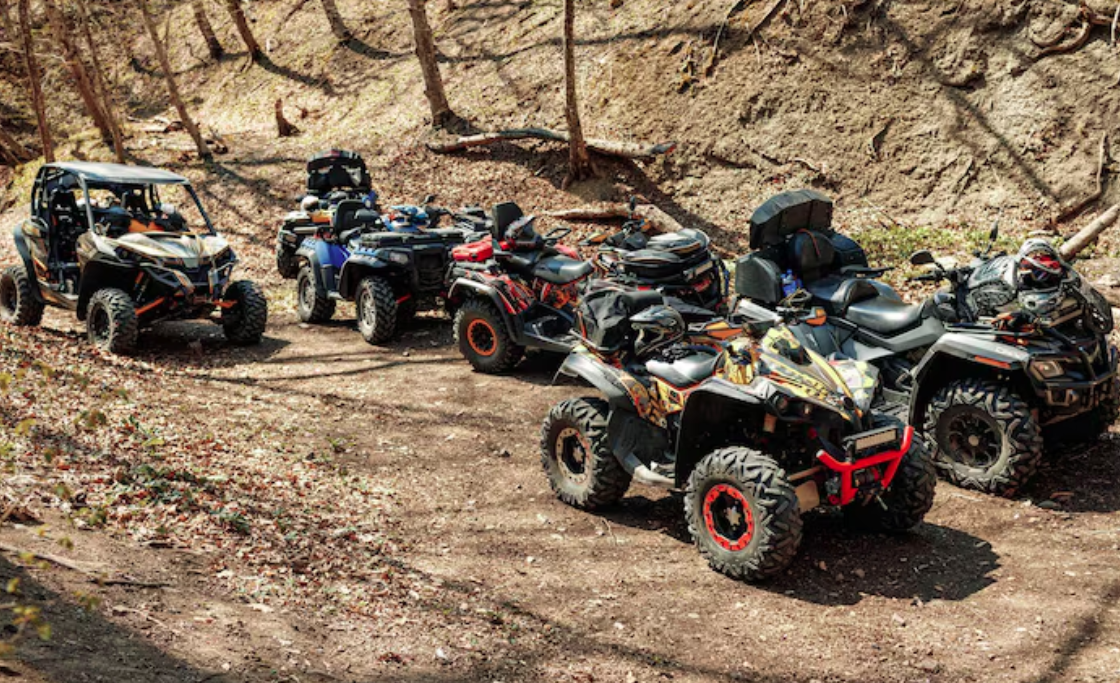
For those who crave high-intensity excitement, ATV trail riding is a fantastic way to cover significant ground and experience diverse terrain. As a beginner, it is vital to prioritize education before you ever turn the key.
Take an introductory safety course that covers machine operation, weight distribution, and trail etiquette. Always wear your protective gear, including a helmet and sturdy boots, and ensure you are familiar with your machine’s handling characteristics on different surfaces.
Respecting trail markers and riding within your skill level are the best ways to ensure that your first motorized adventure is exhilarating rather than intimidating.
Preparing Your Essential Gear with Care
Outdoor travel requires a specific set of tools tailored to your environment. Start by focusing on the “ten essentials,” which include navigation aids, sun protection, extra clothing, and a reliable first-aid kit. Avoid the temptation to overpack; instead, focus on high-quality, versatile items that serve multiple purposes.
Test your gear at home before you leave—pitch your tent in the backyard, practice using your camping stove, and ensure your headlamp batteries are fresh.
Being intimately familiar with your equipment will prevent frustration and allow you to troubleshoot minor issues quickly once you are in the field.
Understanding Leave No Trace Principles
Respecting the natural environment is the most important responsibility of any outdoor traveler. Familiarize yourself with the Leave No Trace principles, which advocate for minimizing your impact on ecosystems.
This includes packing out all your trash, staying on marked trails, respecting wildlife from a distance, and being mindful of fire safety.
When you leave a place exactly as you found it, you ensure that the landscape remains pristine for the animals that inhabit it and for future visitors. Adopting this ethical framework is essential for being a welcomed guest in the wilderness.
Monitoring Weather and Environmental Conditions
Nature is inherently unpredictable, making weather awareness a critical skill for every beginner. Before and during your trip, monitor local forecasts closely and be prepared to alter your plans if conditions deteriorate.
Pack clothing that can be layered to accommodate shifting temperatures and always carry rain gear, regardless of the initial forecast.
Understanding the signs of changing weather, such as darkening clouds or rapid shifts in wind, will help you make informed decisions about when to stay in your shelter and when it is safe to explore.